
What to Know Before Starting a Graphic Design Project
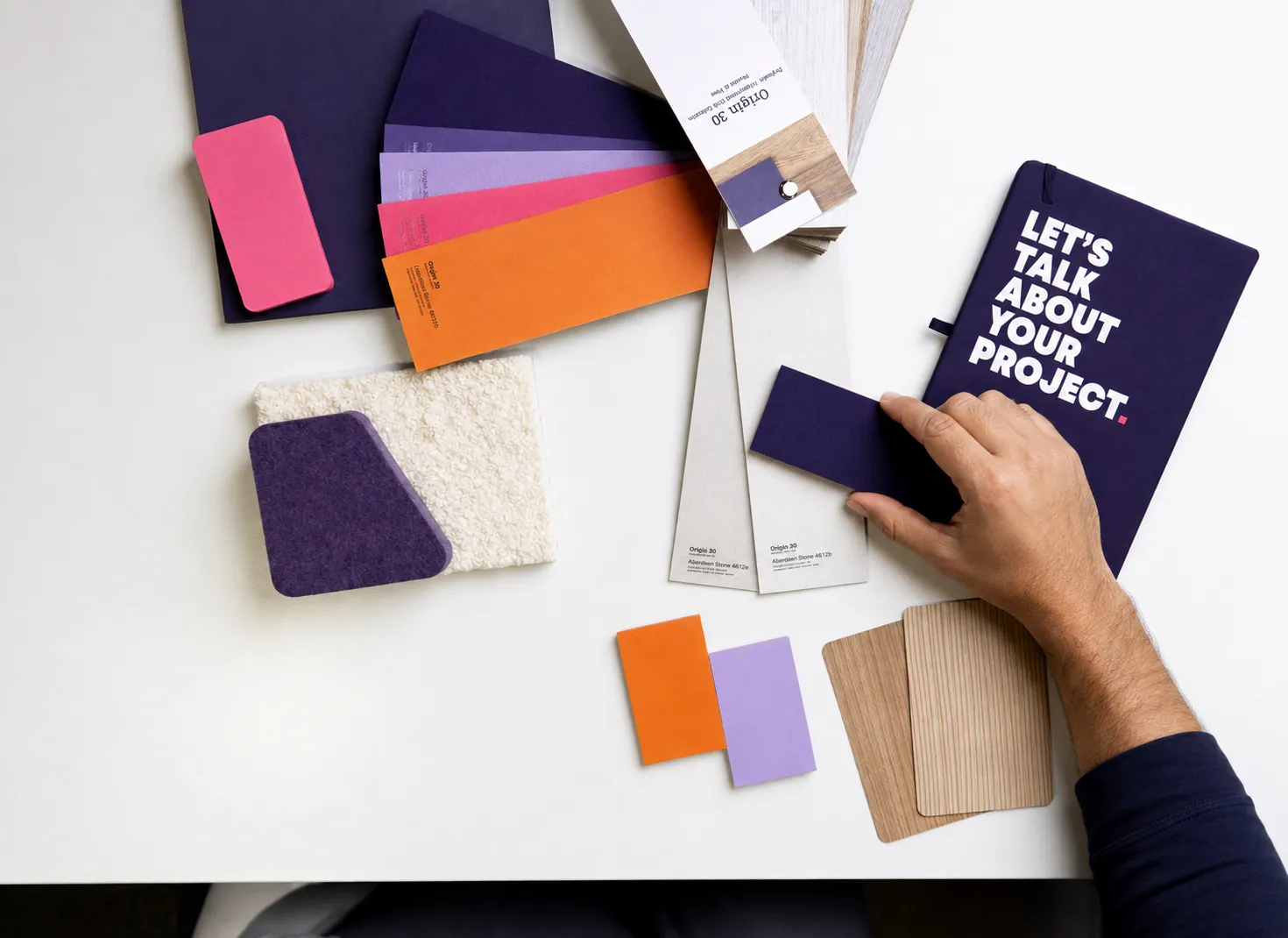
Great design doesn't start with a sketch. It starts with a good conversation.
Before your designer starts creating concepts, there are a few things you should have figured out (or at least thought about).
You don't need to have every answer. That's part of what your designer is there to help with. But having a general idea of what you want to accomplish can make the entire process smoother and more productive.
Here are some of the most important things to consider before starting your next graphic design project.
1. What Are You Trying to Accomplish?
Start with the biggest question: What do you want this design to do?
Maybe you're trying to:
Attract new customers
Make your company look more professional
Explain a service or product
Promote an event
Stand out from your competitors
A designer can make something visually appealing, but design becomes much more effective when there's a clear purpose behind it.
Instead of simply saying, "I need a flyer," think about what you want someone to do after seeing that flyer.
Do you want them to call? Visit your website? Schedule an appointment? Scan a QR code? Stop by your business?
The answer can influence nearly every design decision that follows.
2. Who Is This For?
Your audience should play a major role in the design.
Think about who will actually be seeing or using the finished piece.
Are you trying to reach homeowners? Business owners? Parents? Seniors? Young professionals? Contractors? Local shoppers?
Your audience can influence everything from the imagery and typography to the overall tone and complexity of the design.
A piece designed to appeal to teenagers probably shouldn't look the same as one intended for corporate executives; and that's okay!
Good design isn't about making something everyone likes. It's about making something that connects with the right people.
3. What Do You Need Designed?
This might seem obvious, but it's worth getting specific.
"Marketing materials" can mean a lot of different things.
Are you looking for:
A logo or brand identity
Business cards
Brochures or booklets
Flyers
Posters
Signage
Vehicle graphics
Packaging
Social media graphics
Advertisements
Trade show materials
Promotional products
Digital graphics
You may even need several pieces that work together as a larger campaign.
Knowing what you need helps your designer determine the appropriate layouts, file formats, dimensions, and production requirements from the beginning.
4. What Information Needs to Be Included?
One of the easiest ways to slow down a design project is to start without knowing what the design actually needs to say.
Before your designer gets started, gather the important information you'll need to include.
Depending on the project, that might mean:
Headlines
Body copy
Contact information
Pricing
Services or product details
Addresses
Website URLs
Social media handles
Dates and event information
You don't necessarily need to have every word perfectly written before talking to a designer. In fact, a designer may be able to help you determine how much information the piece can realistically accommodate.
But knowing what information needs to be included, and what's optional, can save a lot of back-and-forth later.
5. What Should People Do Next?
This is especially important for marketing materials. Once someone sees your design, what's the next step?
Maybe you want them to:
Call you.
Visit your website.
Make a purchase.
Book an appointment.
Sign up for an event.
Follow you on social media.
Stop into your store.
Whatever the goal is, your designer needs to know.
A strong call to action can turn a nice-looking design into an effective marketing tool.
6. What Do You Already Have?
Before starting a new design project, take inventory of the assets you already have.
Do you have an existing logo? Brand colors? Fonts? Photography? Product images? Illustrations? Previous marketing materials?
If you have an established brand, your new project may need to fit into that existing visual system.
You should also gather any files your designer might need, including logos, photos, brand guidelines, and other assets. If you're not sure whether something is useful, send it anyway. Your designer can help determine what they can work with.
7. What Do You Like?
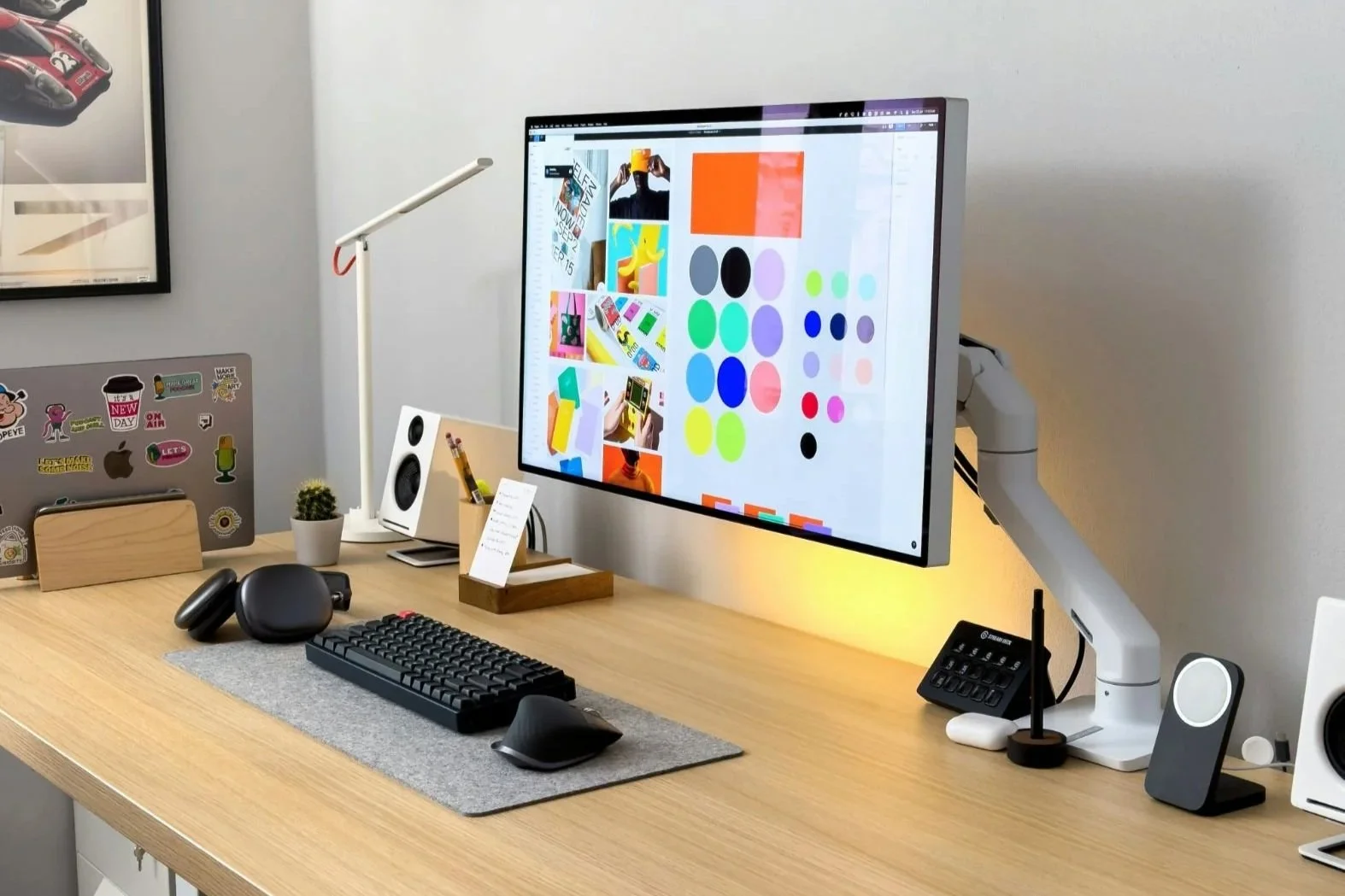
This is where inspiration can be incredibly helpful. Before your project begins, take some time to look at designs you like. Save examples from other businesses, websites, advertisements, packaging, magazines, social media, or anywhere else you find inspiration.
But don't worry about finding something your designer can copy. Instead, ask yourself what you like about the example.
Maybe it's:
The typography
The layout
The amount of white space
The photography
The colors
The overall personality
The way information is organized
You can also share examples of things you don't like. It's completely okay to tell your designer, "I don't want anything that looks too corporate," or "I don't want this to feel overly complicated." Knowing what to avoid can be just as useful as knowing what you like.
8. Think About Your Timeline
When do you actually need the finished project? Not just "as soon as possible."
If you're launching a business on a specific date, opening a new location, attending/promoting an event, or mailing a campaign, your designer needs to know that.
It's also important to remember that design projects aren't always a straight line from "start" to "finished." There may be concept development, revisions, approvals, printing, production, and other steps involved. Giving your designer a realistic deadline allows everyone to plan accordingly.
9. Have an Idea of Your Budget
You don't need to know exactly what your project should cost. That's your designer's job to help determine. But having an idea of what you're comfortable investing can make the conversation much more productive.
There can be a huge difference between a simple one-page flyer and a comprehensive brand identity system, both in terms of time and complexity. A good designer can help you determine what's realistic for your goals and budget, and may be able to recommend ways to prioritize the most important pieces if you can't do everything at once.
10. Be Open to Your Designer's Expertise
Perhaps the most important thing to bring to a design project is an open mind. You know your business better than anyone. Your designer knows design.
You don't need to arrive with every font, color, layout, and design element already selected. If you do, you may be limiting the designer's ability to solve the problem creatively.
Instead, come prepared to explain what you want to accomplish and why. Then let your designer use their expertise to figure out the best way to get there.
Need Help Bringing Your Next Idea to Life?
At Marisol Marketing, we know that design is all about teamwork and strategic problem-solving. When you show up to a consultation clear on your goals, the whole process moves faster, stays on budget, and yields far better results. We'll help you figure out what you need and turn your ideas into thoughtful, effective design.
Have a project in mind? Let's talk.
